Papua New Guinea & Kokoda
Papua New Guinea and the History of the Kokoda Trail
Papua New Guinea is one of the most remarkable countries in our region. It sits just to the north of Australia, close in geography yet very different in landscape, history, language, and culture.
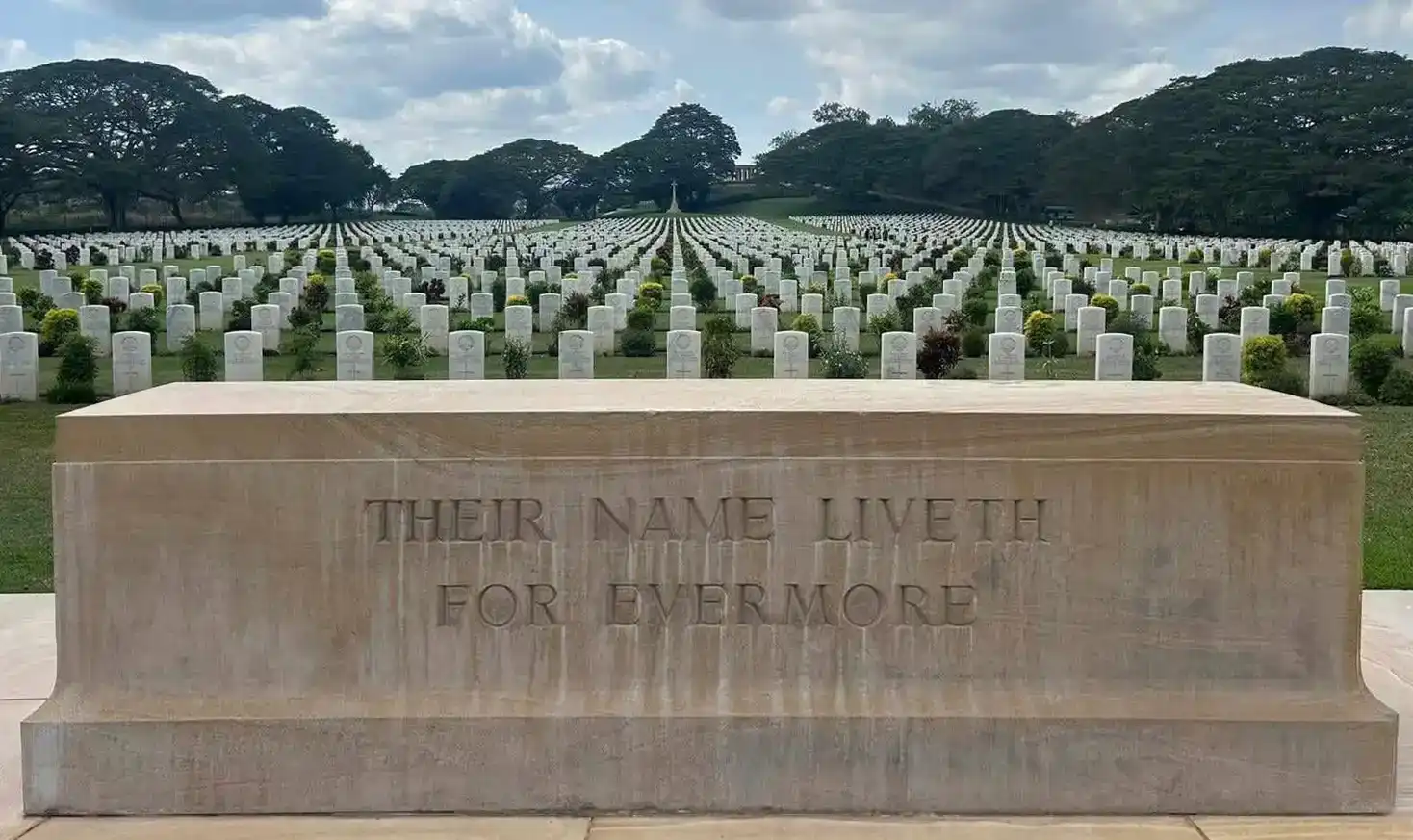
For many Australians, Papua New Guinea is first encountered through the story of Kokoda. That is understandable. The Kokoda campaign occupies a powerful place in Australian memory. It speaks of endurance, sacrifice, fear, exhaustion, and courage in some of the harshest country imaginable.
Yet Papua New Guinea is far more than a battlefield backdrop to Australian history. It is a country of extraordinary diversity, deep tradition, and immense natural beauty.
Mountains, rivers, rainforest, coastline, islands, villages, towns, and hundreds of distinct cultural identities all form part of its character. To understand Kokoda properly, it helps to understand something of Papua New Guinea itself: the land, the people, and the setting in which that famous campaign unfolded.
A Country of Mountains, Forests, and Cultural Depth
Papua New Guinea occupies the eastern half of the island of New Guinea, together with many smaller islands. It is a place of astonishing physical variety. There are lowland swamps, thick tropical rainforest, powerful river systems, volcanic regions, and high mountain ranges that cut across the country with an almost mythic severity.
That rugged geography has influenced settlement, communication, and identity for centuries. Communities developed over long periods in relative isolation from one another, and that helps explain one of the most remarkable facts about Papua New Guinea: it is one of the most linguistically diverse places on earth.
Alongside English, Tok Pisin and Hiri Motu have played important roles in helping people communicate across cultural and regional boundaries, but local identity remains strong and deeply rooted.
To outsiders, Papua New Guinea can appear overwhelmingly wild. In truth, it is both ancient and human. Villages, gardens, trade routes, clan loyalties, ceremonial traditions, and practical knowledge of country have long shaped life there.
The land is not empty, and it has never been empty. That matters when speaking about Kokoda, because too much writing treats the campaign as though it occurred on some abstract obstacle course of mud and jungle. It did not. It took place in a lived-in landscape, among communities whose knowledge and labour became indispensable to the movement and survival of soldiers.
The Road to Modern Papua New Guinea
The history of Papua New Guinea is complex. Before European involvement, countless societies had already developed rich systems of kinship, exchange, belief, and adaptation to difficult environments.
Colonial powers later imposed new boundaries and administrations onto that complexity. In time, the southern region known as Papua came under British and then Australian administration, while the northern region of New Guinea was subject to German rule before later coming under Australian control after the First World War.
These colonial arrangements brought missionaries, administrators, plantations, trade, and new political structures, but they did not erase the strength of local culture. Papua New Guinea remained diverse, layered, and difficult for outsiders to simplify.
In 1975 it became an independent nation. That independence matters greatly when writing about it. Papua New Guinea is not simply an extension of Australian wartime memory. It is a sovereign country with its own history, dignity, and future.
What the Kokoda Trail Is
The Kokoda Trail, more often called the Kokoda Track in Australia, runs through the Owen Stanley Range in Papua New Guinea. It is not a neat hiking path in the European sense. It is a demanding route through steep ridges, dense jungle, mud, creek crossings, slippery descents, oppressive humidity, and mountain weather that can change the tone of the day in an instant.
Even now, with preparation and organised trekking support, Kokoda commands respect. In 1942, under combat conditions, it was something far worse.
The trail linked areas of strategic importance between the north and south of Papua during the Second World War. Its significance came not from scenic value, though it is undeniably beautiful, but from military necessity.
The Japanese advance across the Pacific brought the war alarmingly close to Australia. Port Moresby, on the southern side of Papua, became a critical objective. If it fell, the threat to Australia’s security would deepen sharply.
The Kokoda Campaign of 1942
In 1942 Japanese forces landed on the northern side of Papua and moved inland with the intention of crossing the mountains toward Port Moresby. The Kokoda Track became the route along which this struggle unfolded.
Australian forces, including militia units and later battle-hardened AIF formations, fought a desperate delaying action against an enemy that was experienced, aggressive, and determined. The campaign became one of movement, exhaustion, loss, and survival as much as one of formal battle.
The Australians were not fighting in conditions that favoured comfort, clarity, or easy heroics. They were often outnumbered, physically depleted, short of supplies, and operating in country that punished every step.
Mud swallowed movement. Disease weakened bodies. Rain turned already difficult ground into misery. Wounded men could not simply be loaded into vehicles and driven away. Everything was harder there: marching, carrying, resupply, command, communication, and evacuation.
Names Fixed in Australian Memory
Some of the most famous names associated with the campaign remain fixed in Australian memory: Kokoda itself, Isurava, Brigade Hill, Ioribaiwa, and later the fighting as the campaign shifted northward.
At Isurava, the Australian defence became especially symbolic, associated with stubborn resistance against pressure that might easily have broken a weaker force.
More Than One Moment
Kokoda was not a single dramatic moment. It was a brutal sequence of advances, withdrawals, rear-guard actions, and renewed offensives.
The Australians fell back for a time under intense pressure. Later, as Japanese supply lines stretched and their position weakened, the momentum shifted. Kokoda is remembered not only for endurance under attack, but for recovery, resolve, and counter-attack.
The Human Cost of Kokoda
No serious account of Kokoda should romanticise it. The campaign has sometimes been wrapped in language so noble that it risks becoming too clean.
In reality, it was filthy, frightening, exhausting, and costly. Men were killed, wounded, sickened, and broken by the environment as well as by enemy action. Fear and fatigue were constant companions.
Heroism existed, certainly, but so did confusion, misery, and the dull grinding pressure of carrying on when carrying on seemed almost unreasonable.
The campaign also depended heavily on Papuan labour and assistance. Local carriers became vital to moving supplies and evacuating wounded men through country that defeated ordinary logistics.
Their contribution has long been remembered in Australian tradition, sometimes sentimentally, but it deserves something firmer than sentiment. Without Papuan knowledge, effort, and endurance, the campaign would have been even more desperate than it already was. Respect requires saying that plainly.
Why Kokoda Still Matters
Kokoda still matters because it speaks to more than tactics or terrain. For Australians, it has become one of the defining stories of the war in the Pacific.
It represents a moment when the war felt dangerously close, when young soldiers were tested beyond anything peacetime Australia could have imagined, and when the defence of Port Moresby became bound up with national survival.
For many modern trekkers, Kokoda is both a physical challenge and a pilgrimage. Some go for family reasons, tracing the footsteps of fathers, grandfathers, or uncles. Others go to test themselves in a landscape that has become synonymous with endurance.
Others again go because the campaign stirs something deeper: a desire to encounter history in place, not merely on paper. That is one of Kokoda’s peculiar powers. It is not just read. It is walked.
And yet the walk should never become a selfish performance. Kokoda is not a personal brand exercise. It is part of Papua New Guinea. It passes through communities, memory, and difficult country.
A good trek treats the campaign with seriousness and the local people with respect. It understands that the track is not valuable merely because Australians revere it. It is valuable because history happened there, people live there, and the land itself demands humility.
Papua New Guinea Beyond Kokoda
It would be a mistake to imagine that Kokoda tells the whole story of Papua New Guinea. It does not. The country’s life is broader, older, and richer than that one campaign.
Its art, language groups, village life, ceremonies, music, church traditions, marketplaces, and regional identities form a national character that cannot be reduced to wartime memory.
Even its wartime history is broader than Kokoda alone. The fighting at Buna, Gona, and Sanananda, and many other places across Papua and New Guinea, also formed part of the wider struggle in the region.
Modern Papua New Guinea is a country of challenge and promise. Like many nations, it faces practical difficulties in infrastructure, health, politics, and development.
Yet it also possesses deep resilience, strong communal life, and a cultural richness that outsiders often underestimate. To visit it well, whether for Kokoda or anything else, requires curiosity, respect, and the willingness to see more than one story at a time.